













From the School
New Anglia University is a medical university based in Anguilla, a British Overseas Territory in the Caribbean, offering an internationally focused medical education for students pursuing careers in medicine.
The University offers a 4-Year Medical Doctor (MD) Program and a Premedical Program. The MD curriculum combines 20 months of Basic Sciences study in Anguilla with 72 weeks of Clinical Sciences training, allowing students to progress from the scientific foundations of medicine to supervised clinical education.
A distinctive feature of the programme is its international clinical model. Students have opportunities to undertake clinical training through an expanding network of affiliated hospitals and healthcare institutions in the United States and United Kingdom, providing exposure to established healthcare systems and a variety of clinical environments.
New Anglia University has three intakes each year — January, May and September — offering greater flexibility for students planning when to begin their medical education.
Overview
From The School
New Anglia University considers applicants from a variety of educational backgrounds.
Applicants who meet the University's academic requirements may be considered for entry to the 4-Year MD Program. Applicants who have completed secondary education but require further preparation in the sciences may instead be considered for the Premedical Program, providing a structured route towards the MD curriculum.
Applications are reviewed individually. The admissions process includes the submission of an application and supporting academic documentation, an assessment of the applicant's qualifications and eligibility, an admissions interview, and review and decision by the Admissions Committee.
No MCAT, GAMSAT or UCAT is required for admission.
The Admissions Office works with applicants throughout the process, including initial eligibility assessment, documentation and progression towards an admissions decision. Prospective students can apply for one of the University's January, May or September intakes.
Admissions Requirements
Overall
From The School
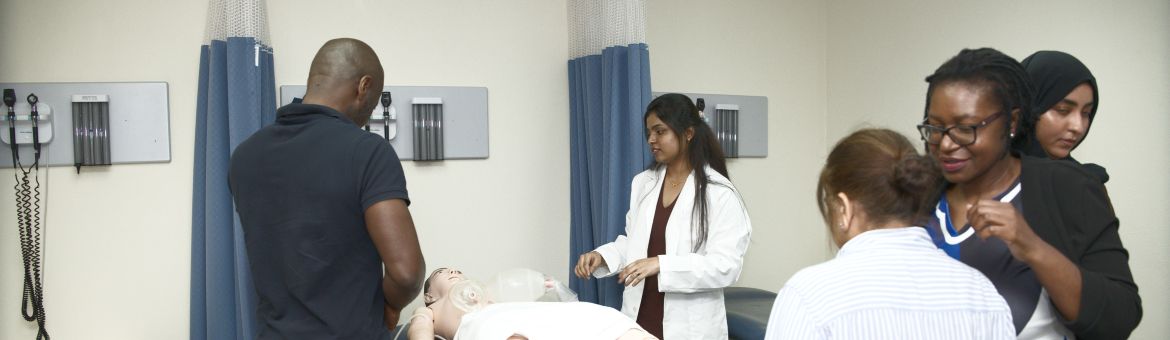
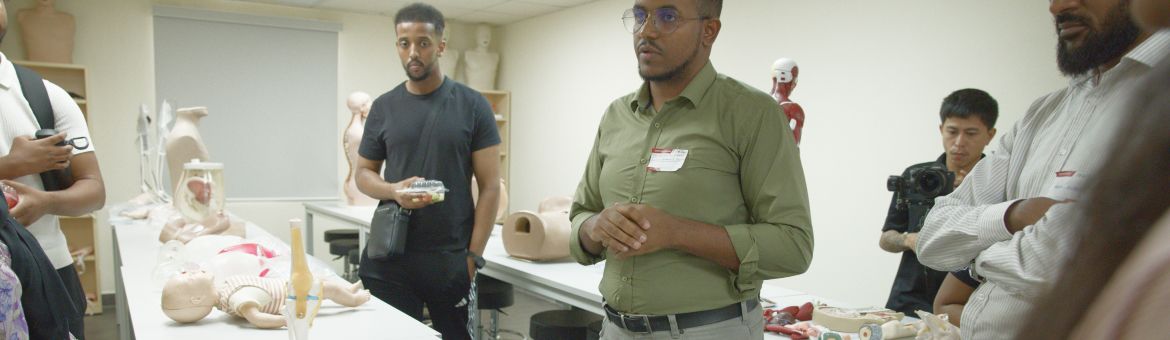
The Basic Sciences phase is delivered in Anguilla and establishes the scientific and clinical foundations required for the later stages of medical education. Students study the structure and function of the human body, mechanisms of disease, diagnosis and treatment while progressively developing the clinical, communication and professional skills required of medical students.
Clinical exposure is incorporated into the educational experience, helping students connect scientific knowledge with its practical application in patient care before entering full-time clinical rotations.
The 72-week Clinical Sciences phase provides extensive supervised clinical training. Students complete core rotations in Internal Medicine, Surgery, Pediatrics, Obstetrics & Gynecology, Psychiatry and Family Medicine. These are complemented by elective rotations, enabling students to gain experience in additional specialties and areas of professional interest.
The clinical curriculum is designed to expose students to different specialties, patient populations and healthcare settings while developing their ability to apply medical knowledge, communicate with patients and healthcare professionals, and participate effectively in clinical teams.
Academic progression is supported through structured assessment, academic guidance and preparation for the examinations relevant to students' intended postgraduate pathway.
Majors and Degrees Offered
New Anglia University offers the Doctor of Medicine (MD) degree through its four-year medical programme.
The University also offers a Premedical Program for students who require additional preparation before beginning the MD curriculum. The programme strengthens students' knowledge in the sciences and other areas relevant to medical study and provides eligible students with a pathway to the MD Program.
This structure allows the University to accommodate applicants entering medical education from different academic backgrounds, including students progressing from secondary education and applicants who have already completed university-level study.
Faculty
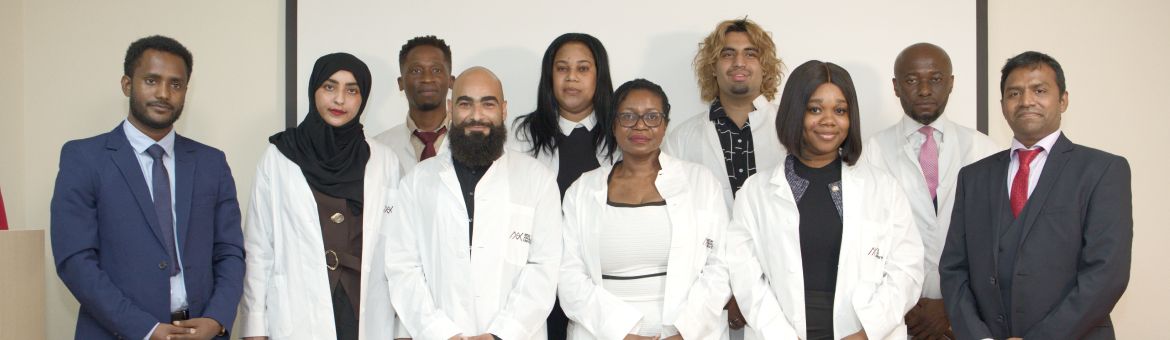
New Anglia University's faculty includes medical doctors, academics and medical educators with experience in clinical practice, biomedical sciences and medical education.
Faculty members are responsible not only for teaching but also for supporting the development of students' clinical reasoning, communication, professionalism and readiness for clinical training. Academic leadership oversees curriculum delivery, assessment and quality assurance across the programme.
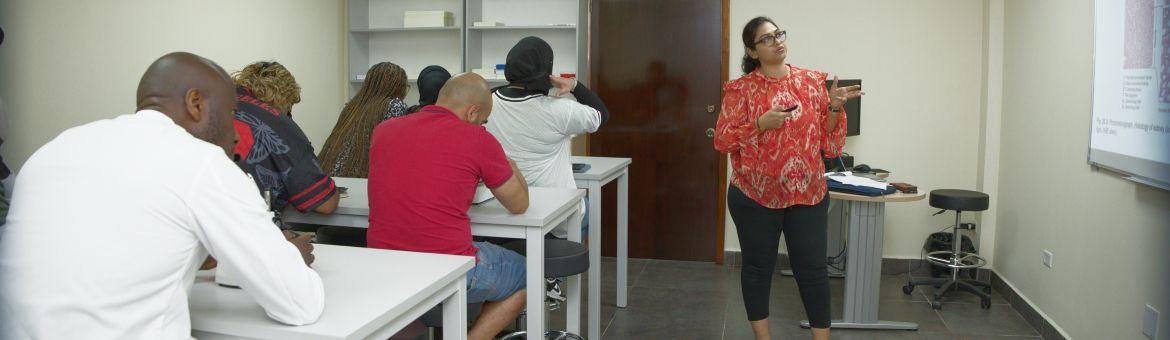
The University's educational approach encourages interaction between students and faculty, allowing students to receive academic guidance throughout their progression from Basic Sciences into Clinical Sciences.
Faculty Information
Overview
From The School
Tuition is structured according to the stage of study, including the Premedical, Basic Sciences and Clinical Sciences phases, where applicable. Students should consult New Anglia University for the current tuition and fee schedule.
Students studying Basic Sciences in Anguilla are responsible for their accommodation, meals and personal living expenses. During Clinical Sciences, living and accommodation costs depend on the location in which individual clinical rotations are undertaken.
New Anglia University recognises the financial commitment involved in studying medicine. Funding options are available, and the Admissions Office can provide prospective students with information about relevant options and the costs associated with each stage of the programme.
Financial Aid Statistics
Student Body Profile
Demographics
Campus Life
New Anglia University welcomes students from different countries and academic backgrounds, creating an international medical school environment.
Students share a common objective of preparing for careers in medicine while gaining experience across different educational and healthcare environments. Studying in Anguilla provides the foundation of their medical education before the transition to hospital-based clinical training.
The international structure of the programme also requires students to develop adaptability, independence, communication skills and an understanding of working with people from different cultural and professional backgrounds—qualities that are increasingly important in modern medical practice.
Admissions Office Contact
Edwin Wallace Rey Drive
George Hill AI, Anguilla 2640
 Opt-Out Signal Honored